 Lexis Nexis
30-day risk-free examination
Secure checkout
Multiple copy discounts



Customer Favourites
-
 The Law of Search and Seizure in Canada, 13th EditionRelease date: March 21, 2024$420.00
 -
 Morden & Perell – The Law of Civil Procedure in Ontario, 5th EditionRelease date: March 21, 2024$395.00
 -
 Impaired Driving in Canada – The Charter Cases, 5th EditionRelease date: March 15, 2024$160.00
 -
 Issues in Criminal Trials and Summary Appeal Law, 3rd EditionRelease date: December 22, 2023$170.00
 -
 Litigating Competition Law in Canada, 2nd EditionRelease date: November 30, 2023$230.00
 -
 Franchise Law in Canada, 2nd EditionRelease date: November 24, 2023$220.00
New Releases
-
 Canadian Business Corporations Law, 4th Edition – Volume 3 (Shareholders, Stakeholders and their Rights and Remedies)Release date: March 22, 2024$325.00
 -
 Annotated Conservation Authorities ActRelease date: March 15, 2024$160.00
 -
 The Law of Charitable and Not-for-Profit Organizations, 6th EditionRelease date: March 21, 2024$270.00
 -
 Conscience and RightsRelease date: March 27, 2024$125.00
 -
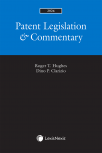 Patent Legislation & Commentary, 2024 EditionRelease date: March 22, 2024$115.00
 -
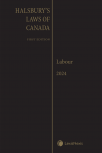 Halsbury's Laws of Canada – Labour (2024 Reissue)Release date: March 25, 2024$335.00
Coming Soon
-
New!Preorder
 The Right Not to Remain Silent: The Truth About Mental Health in The Legal ProfessionNew!Release date: April 30, 2024$70.00
 -
New!Preorder
 Government Procurement, 5th EditionNew!Release date: April 30, 2024$280.00
 -
New!
 Canadian Insurance DefenceNew!Release date: April 15, 2024$175.00
 -
New!Preorder
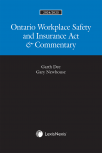 Ontario Workplace Safety and Insurance Act & Commentary, 2024/2025 EditionNew!Release date: April 30, 2024$95.00
 -
New!
 Canadian Master Labour Guide, 39th Edition, 2024New!Release date: April 19, 2024$195.00
 -
New!Preorder
 Annotated Ontario Securities Legislation, 60th Edition, 2024 (2 Volumes)New!Release date: April 30, 2024$225.00